If it isn’t broke, it may still need fixing
Without a plan, you’ll never know where you’re going.
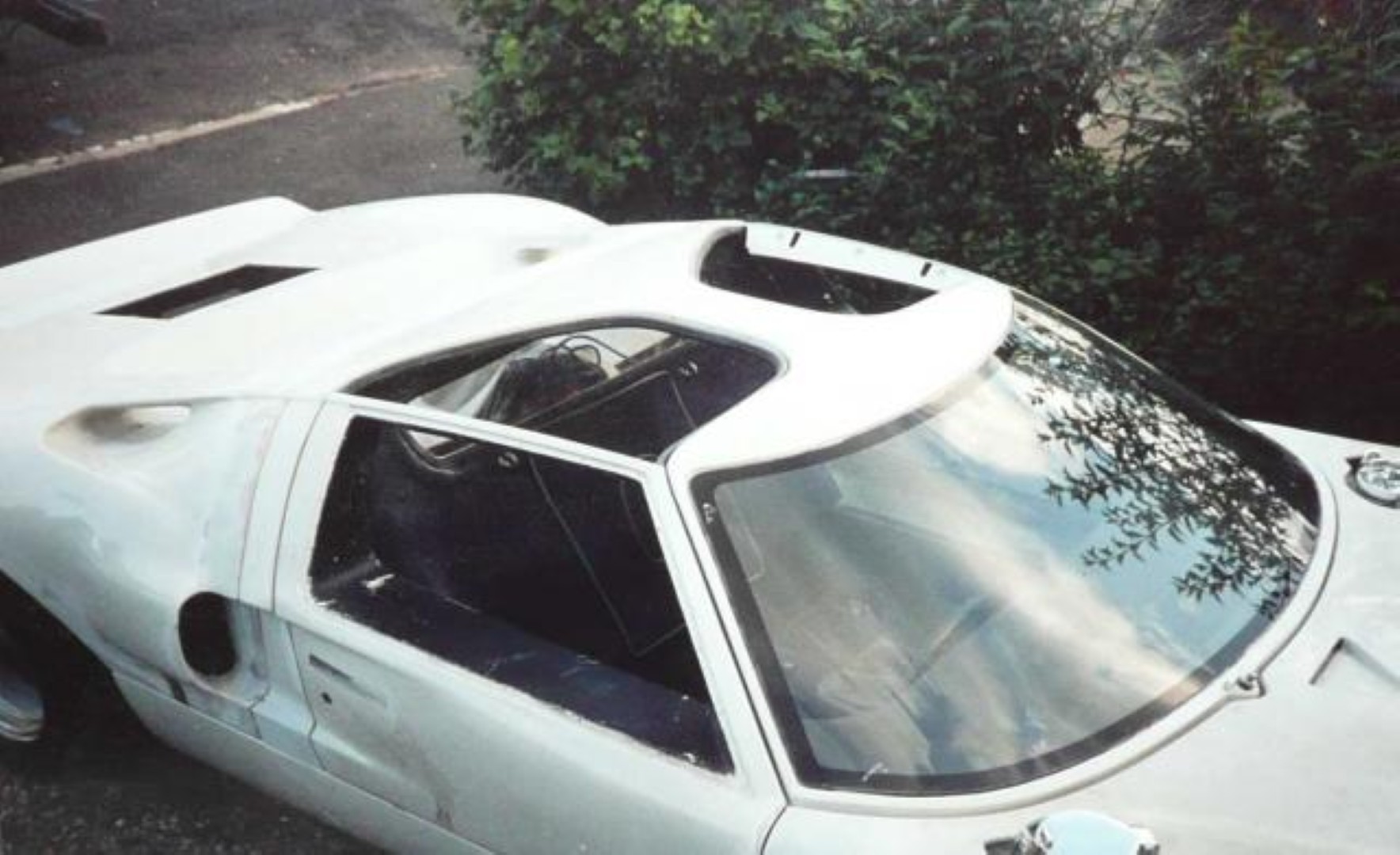
The RCR GT40 is a very good kit, and built as it was originally designed, many users will be very happy with the results. However, there are a few design considerations which I feel can be improved on and I am always on that ‘make it period-correct’ mission. With this in mind, while I was waiting for delivery, I began to map out my plan. The list kept getting longer and longer, and was even modified after I took delivery and began building.
This is a list of modifications incorporated into my build. As information becomes available, each section will link to the data on that particular subject.
- Period-correct front frame
- Front clip pivot
- Repair and relocate inner shells, front and rear
- Add pivot clamp plates
- Defrost system added to the HVAC system
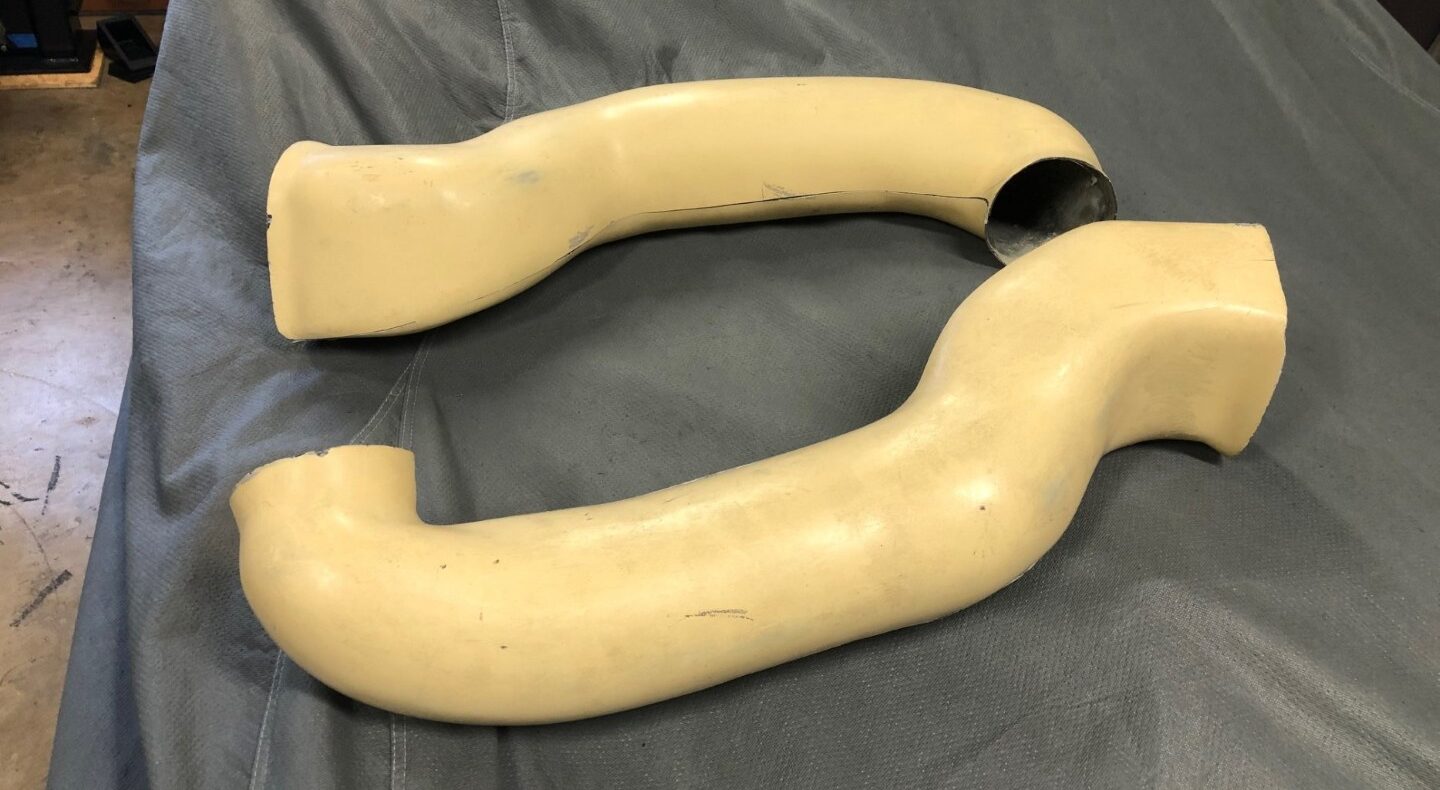
- Front nostril ducting
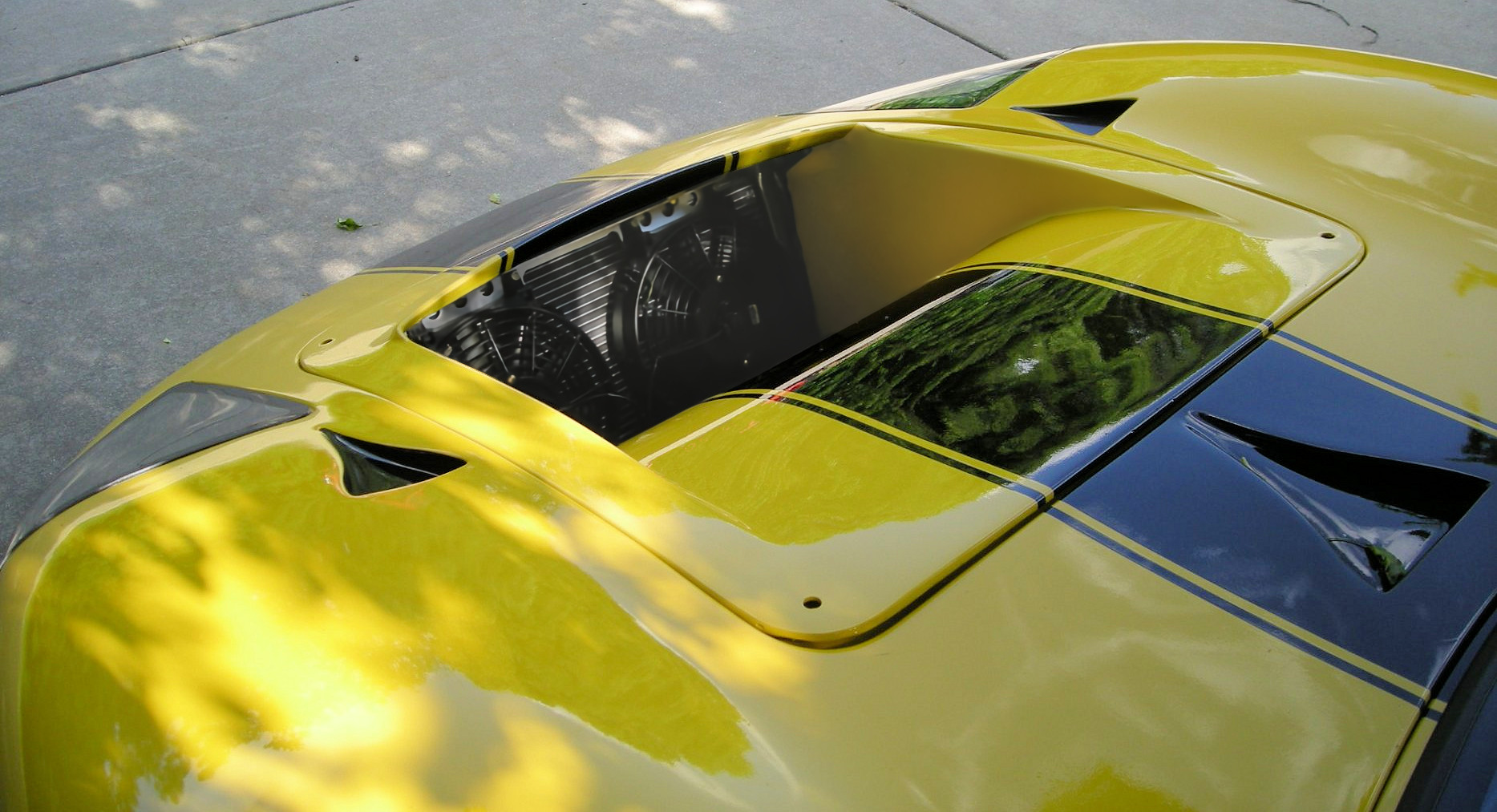
- Functional NACA ducts
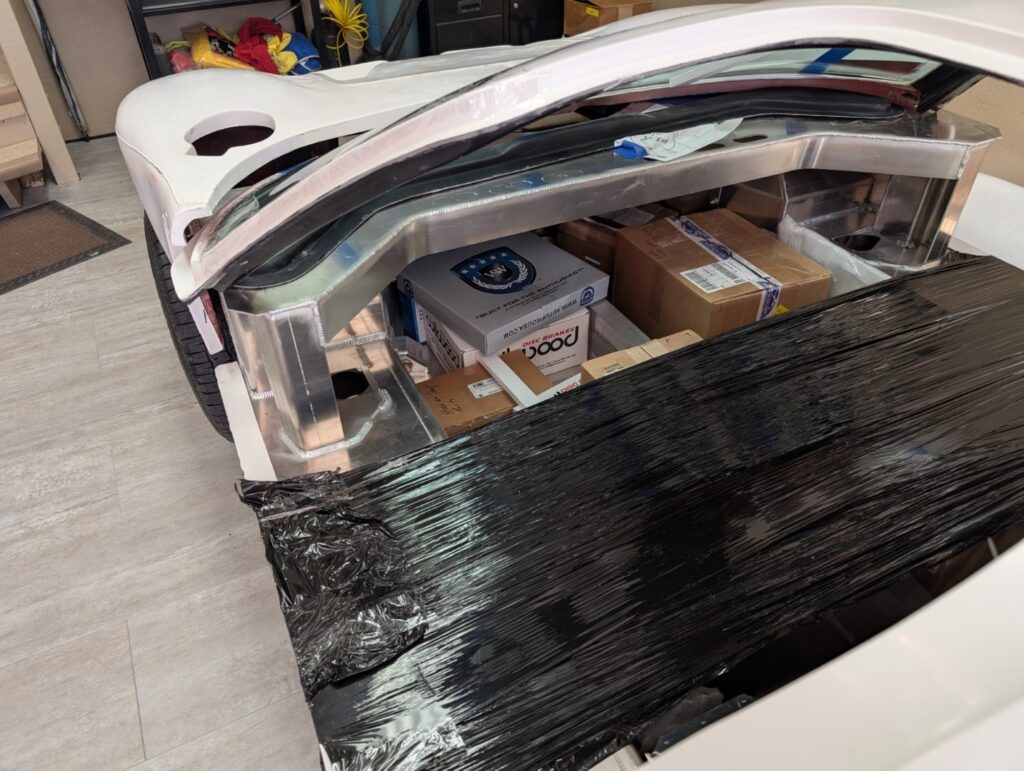
- Fuel tank cross-over
- Rear hip flares
- Rear clip pivot system
- Rear clip ducting, brake and cooling
- Spider bulkheads
- Relocate rollbar to engine compartment
- Door hinge improvements
- Door anti-intrusion
Timeframe
Going into the project, I knew it would take time. Having helped with a couple of other GT40 builds, I already understood they were more complex than a typical Cobra build. What I didn’t realize was just how much more complex they really are.
There are certain aspects of the build that simply require you to “work around” them.
- The RCR kit itself is top-notch, but it leaves a great deal open to interpretation. While there are some instructional pages available, much of the information is either vague or outdated. They’re useful for background reference, but if you’re expecting a clear Step 1, Step 2, Step 3 process, you won’t find it there.
- In general, the kit includes all of the major components, but you’ll constantly encounter smaller parts, hardware, and details that are not included. For example, the door handle mounts to a bracket fiberglassed into the door, yet no spacers, hardware, or installation details are provided. In many cases, you’re left to figure things out yourself or rely on advice from other builders.
- Any modifications you choose to make will exponentially increase the build time.
- Another challenge is the limited knowledge base within the GT40 community. The Cobra replica world is relatively large, well-connected, and heavily documented. If you run into an issue, chances are someone else has already experienced it and documented the solution on one of many replica-building forums. With a GT40, the community is much smaller — probably one percent (.01) the size. Instead of dozens of active forums, there’s essentially one main resource: GT40s.com. It’s a great site, but searching for information can be difficult, and many older threads contain broken links or missing photos. A high percentage of the members are in Europe and the RCR GT40 only makes up about 15% of the discussions.
- Lastly, I under-estimated just how compact and refined the GT40 design really is. Want to run fuel injection? Where will you mount the electronics and sensors? How do you create a reliable high-pressure fuel system from two independent tanks? Every solution requires additional time to design, prototype, install, and often modify existing hardware. None of it is impossible — it just takes considerably more time and money than expected.
If you’re considering a GT40 build, I strongly recommend connecting with someone local who is already building one. Spend time learning about their project and understanding the realities of the process before